
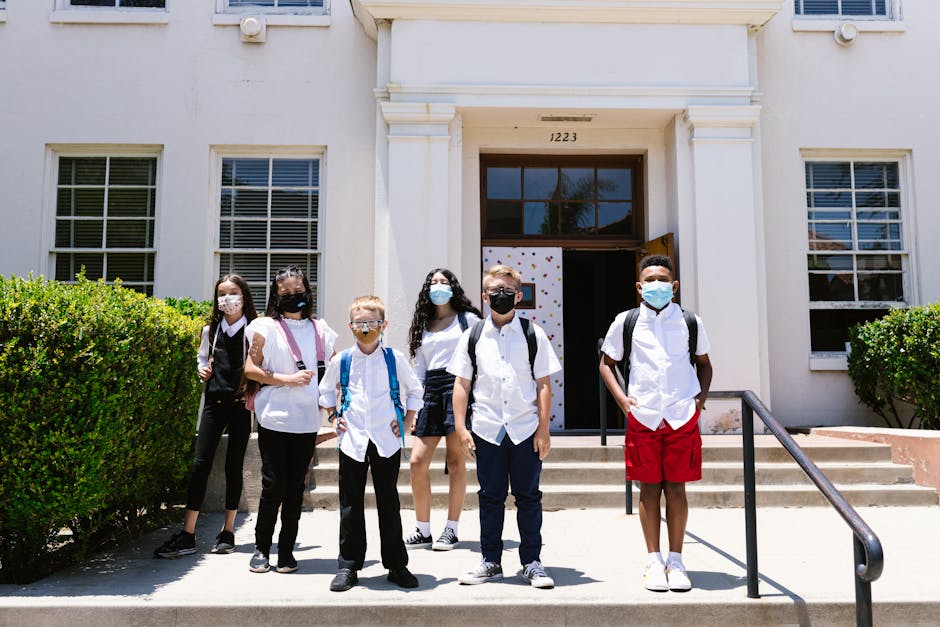
As September rolls around and school buses flood the streets of Clay, New York, parents dust off old routines, and children fill their backpacks with new supplies. Yet, many families overlook one essential health question: Is your child’s backpack too heavy? This often-ignored factor can have a significant impact on children’s health, growth, and comfort—especially in communities like Clay where kids are regularly commuting to school and extracurricular activities.
The Hidden Dangers of Heavy Backpacks
It’s not uncommon to see children in Clay, NY, trudging along with backpacks that seem almost as large as they are. Studies have shown that many schoolchildren routinely carry packs that exceed 10-15% of their body weight—often much more than experts recommend.
Carrying excessive weight daily can:
- Strain the back, neck, and shoulders
- Shift posture and spinal alignment
- Cause muscle fatigue and headaches
- Increase the risk of tripping or falling
- Lead to chronic pain if not addressed
Children’s spines are especially vulnerable because they are still growing. Ongoing heavy loads can affect bone and muscle development, and may even contribute to early postural problems.
Local Lifestyle: How Clay’s Community Adds to the Concern
In Clay, many students walk or ride bikes to school or bus stops, sometimes for significant distances. The town’s blend of suburban neighborhoods and longer walks to community schools such as Liverpool Middle School or Cicero-North Syracuse High School means backpacks are often carried for 15-30 minutes at a stretch. Additionally, unpredictable Upstate New York weather—from snowy winters to rainy autumn days—can make carrying an overloaded pack even more challenging.
With busy after-school lives filled with sports, music lessons, and library visits at places like the Northern Onondaga Public Library, children may end up hauling their backpacks for hours each day.
What Health Issues Can Arise from Heavy Backpacks?
When children carry backpacks that are too heavy or worn incorrectly, local chiropractors and pediatricians in Clay see a variety of complaints, including:
- Shoulder, neck, or back pain
- Tingling or numbness in arms (from compressed nerves)
- Changes in walking pattern (gait)
- Poor posture and rounding of the upper back
- Headaches and fatigue after school
These symptoms can often be traced directly to how and what children carry on their backs each day. Over time, compensations like leaning forward, twisting, or arching the back can develop into more serious issues such as scoliosis or chronic musculoskeletal pain.
How Much Should a Backpack Weigh?
According to the American Chiropractic Association (ACA), your child’s backpack should not exceed 10-15% of their body weight. For example, a child who weighs 80 pounds should carry no more than 8-12 pounds in their backpack. But local surveys indicate this is often overlooked in Clay, where heavy textbooks, Chromebooks, lunches, and sports gear quickly inflate backpack loads beyond safe limits.
Tips for Clay Parents: Keeping Your Child Healthy
With a few mindful changes, you can help prevent backpack-related injuries for your family:
- Weigh your child’s full backpack on a bathroom scale
- Encourage using both shoulder straps—padded and adjustable are best
- Position the backpack so it sits in the center of the back, not sagging below the waist
- Pack only what's needed each day; leave extra books and supplies at home or in a locker
- Choose lightweight backpacks with multiple compartments to distribute weight
- Teach your child to lift their pack with their legs, not by bending at the waist
Many Clay schools allow students to keep some supplies in classrooms or lockers. Make a weekly habit of cleaning out unnecessary items from backpacks—especially after busy weekends or special events when extra belongings might accumulate.
Signs Your Child May Need Help
If your child repeatedly complains of back pain, struggles to put on or take off their backpack, or you notice red marks on their shoulders, don’t ignore these warning signs. Reach out to your pediatrician or a local Clay chiropractor for an assessment and personalized advice. Early intervention is the best prevention.
Backpack Safety in Clay, NY: Community Efforts
Some local schools and organizations in Clay offer backpack awareness weeks or ergonomic workshops. Take advantage of these events to learn more and even get involved as a parent advocate. Partnering with schools can bring about changes such as lighter digital textbooks or more accessible storage options for students.
Healthy Choices for an Active Community
The Clay area values outdoor activity, family health, and education. By staying informed and vigilant about backpack safety, local parents can ensure their children enjoy all that school and community life have to offer—free from unnecessary pain or injury.
Remember: A few proactive steps now can make a world of difference for your child’s comfort, confidence, and healthy development throughout the school year. Keep backpack health in mind, and your kids will be set for success both in class and on the playground.
