
If you live in Clay, New York, you know our seasons can be demanding on the body. Between shoveling snow in the winter and tending to flower beds in the spring, it’s common for residents to experience the occasional snap, pop, or crack in their joints. But what exactly is happening when your body makes these noises? Is it harmful, or just a natural part of movement? Let’s dive into the truth about cracking joints and what it means for your health.
What Causes Joints to Crack?
The phenomenon of joint cracking, also known as “crepitus,” can be caused by several different things:
- Gas Bubbles: The most common explanation for the popping sound is the release of gas. Our joints contain synovial fluid, which acts as a lubricant and contains gases like nitrogen and carbon dioxide. Stretching or manipulating the joint can change the pressure and cause these gases to form bubbles, which then quickly collapse or “pop.”
- Movement of Ligaments and Tendons: Sometimes, moving a joint causes a tendon or ligament to snap quickly over a bone, resulting in an audible click or pop.
- Rough Joint Surfaces: For those with arthritis or previous injuries, uneven surfaces within a joint can rub together, creating grinding or crunching sounds.
Is Cracking Your Joints Bad for You?
One of the top chiropractic questions in Clay, NY is whether cracking joints is harmful. The good news is, the occasional crack or pop is generally not dangerous if there is no pain, swelling, or loss of function. Multiple studies have failed to establish a link between habitual knuckle cracking and the development of arthritis.
However, if your joints feel sore, stiff, or become swollen, it could indicate an underlying problem and you should consult with a healthcare provider.
Why Do So Many People Crack Their Joints?
It’s common in our community—while standing in line at Wegmans or cheering on the Cicero-North Syracuse Northstars, you may catch someone twisting their neck or fingers until they hear a satisfying pop. Some reasons people enjoy or habitually crack their joints include:
- Relief from pressure
- Improved sense of mobility
- A feeling of relaxation or stress relief
Many report that the act provides a temporary sense of release, allowing them to get back to daily activities with ease.
Common Myths About Joint Cracking
Despite its popularity, there are some persistent myths about cracking joints:
- Myth: Cracking causes arthritis.
*Reality:* Research shows no direct link between regular joint cracking and the development of arthritis.
- Myth: Cracking weakens your joints.
*Reality:* There’s no evidence that occasional joint cracking leads to joint weakness or permanent damage.
- Myth: Joint noise always means something is wrong.
*Reality:* Popping and cracking without pain is usually normal and not a sign of a medical issue.
When Should You Be Concerned?
Living an active lifestyle in Clay, whether it’s hiking the trails at Three Rivers Wildlife Management Area or playing with your kids at Clay Central Park, you may notice more frequent joint sounds. Generally, joint cracks that are not accompanied by pain, swelling, or locking are benign. However, you should see a chiropractor or physician if you experience:
- Persistent pain or swelling
- Limited range of motion
- Joints that “lock up” or catch
- Recent injury followed by new joint noises
These symptoms may signal underlying concerns like ligament damage, cartilage wear, or inflammation.
Healthy Habits for Joint Care in Clay, NY
Clay’s residents are active year-round, and joint health is essential for making the most of local events and outdoor activities. Here are some ways to promote healthy joints:
- Stay Active: Walking local trails, gardening, and low-impact exercise like swimming can keep your joints flexible and strong.
- Stretch Regularly: Incorporating stretching, especially before physical activity, can reduce muscle tension and support joint mobility.
- Hydrate Well: Water keeps synovial fluid healthy so joints move smoothly—important during hot New York summers!
- Use Proper Technique: Whether shoveling snow or raking leaves, use your legs, not your back, and avoid sudden twisting movements.
- Consult Professionals: If joint pain or frequent cracking worries you, don’t hesitate to visit a local chiropractor or physical therapist.
The Role of Chiropractic Care
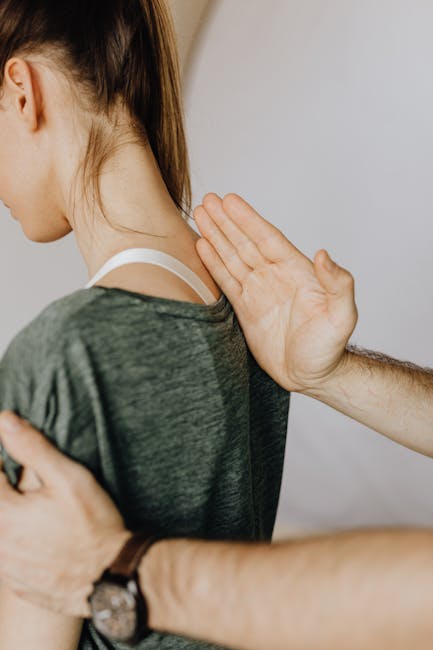
Chiropractors in Clay, NY often perform spinal adjustments that may result in pops or cracking sounds. These adjustments are designed to improve spinal alignment and nervous system function. The “crack” that sometimes happens during an adjustment is simply the release of gas bubbles from synovial fluid and is not harmful. Many residents feel increased mobility and decreased discomfort after care.
Final Thoughts: Listen to Your Body
Cracking joints can be a normal physiological occurrence, especially with the active lifestyles we lead in Clay, NY. It’s important to listen to your body—if joint noises are not causing pain or dysfunction, they are usually not cause for concern. However, maintaining healthy habits and checking in with a professional when something feels off will keep you moving comfortably through all four seasons in Clay.
If you have ongoing questions about joint health or discomfort from cracking joints, reach out to a trusted local chiropractor. Our community is full of resources to help you stay mobile, active, and pain-free!
