
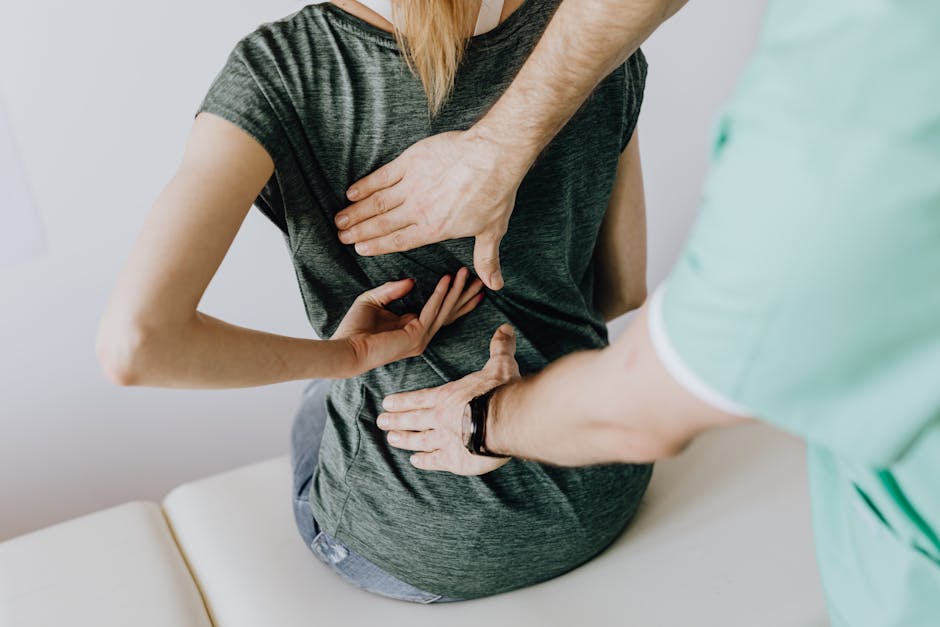
Travel is a regular part of life for many people in Clay, New York, whether it’s heading into Syracuse for work, enjoying weekend getaways to the Adirondacks, or flying out for family vacations. However, long periods of sitting, lifting heavy luggage, and cramped car or airplane seats can make your lower back vulnerable to strain and pain. As a chiropractor serving the Clay, NY community, I often see residents struggling with back discomfort after travel. In this post, I’ll share practical, proven strategies to prevent lower back pain on your next trip.
Why Travelers in Clay, New York Are at Risk for Lower Back Pain
Clay’s location in Central New York makes it a prime starting point for road trips and air travel. The area’s active residents frequently commute, attend sporting events, visit upstate attractions, or travel for business. But these journeys, whether by car, bus, or plane, commonly involve:
- Prolonged sitting and inactivity
- Awkward posture in tight seats
- Lifting or pulling heavy bags
- Sudden movement or twisting
Each of these can put excess stress on the lumbar spine, leading to discomfort and even injury. While some trips are unavoidable, the good news is that there are many ways to protect your back before, during, and after travel.
Preparing Your Back Before You Travel
The best prevention starts before you even leave home. Clay’s residents benefit from a relatively active lifestyle, with access to parks and recreational trails. Use these resources to help build a stronger back:
- Stay Active: Regular walking, swimming, or community fitness classes in Clay help maintain flexibility and strength.
- Stretch Daily: Gentle stretching routines, especially hip flexors and hamstrings, reduce muscle stiffness.
- Core Strengthening: Simple exercises like planks or bridges stabilize the spine and prevent pain.
If you know upcoming travel is on your calendar, increase these activities beforehand for extra protection.
Packing and Lifting Luggage the Right Way
Transporting luggage is a leading cause of travel-related back pain. Use these guidelines:
- Pack Light: Only bring what you need. Heavier suitcases increase the risk of muscle strain.
- Choose the Right Bag: Opt for suitcases with wheels and handles. For backpacks, use both straps.
- Lift Properly: Bend at the knees, not at the waist, and use your legs to lift. Hold bags close to your body.
- Distribute Weight Evenly: If you need to carry more than one bag, balance them on both sides to minimize strain.
Many residents in Clay find that prepping luggage the night before allows time to pack wisely without rushing.
How to Sit Comfortably During Long Drives or Flights
Traveling from Clay often means hours in a car or on a plane. Prolonged sitting is a known trigger for lower back pain. To minimize risk:
- Adjust Your Seat: Support the natural curve of your lower back with a small pillow or rolled-up towel.
- Keep Both Feet Flat: Rest your feet on the floor to improve spinal alignment.
- Change Positions Often: Shift your weight, stretch your legs, and avoid crossing your legs for extended times.
- Take Breaks to Move: On the road, stop every 1-2 hours to stretch and walk around. On planes, stand up and move in the aisle when it’s safe.
- Practice Seated Stretches: Simple movements, like ankle circles or knee lifts, can increase circulation even in confined spaces.
Many Clay travelers make good use of rest stops along the New York State Thruway for quick exercise breaks during long drives.
Preventing Back Pain After You Arrive
A safe, pain-free arrival is just the beginning. Once you’ve reached your destination, continue your protective habits:
- Unpack Carefully: Avoid sudden twisting or lifting heavy bags from awkward angles, especially after a long trip.
- Maintain Routine Exercise: Even while away, dedicate time for stretching and gentle activity, such as walking or swimming.
- Sleep Smart: The beds in hotels or guest rooms aren’t always ideal. Bring your own supportive pillow if possible and avoid overly soft mattresses.
If you return to Clay after a trip and notice stiffness, don’t let it linger. Gentle local walks—perhaps around Clay Central Park—can help restore mobility.
When to Seek Help for Travel-Related Back Pain
If you experience persistent back pain after traveling, it’s essential to listen to your body. See a chiropractor or healthcare provider in Clay if you notice:
- Pain lasting more than a few days
- Shooting pain, numbness, or tingling down your leg
- Difficulty standing, walking, or performing daily activities
Early treatment is vital to prevent minor travel-related back strains from becoming chronic conditions.
Embracing a Pain-Free Travel Lifestyle in Clay, NY
A little preparation can make any journey from Clay, New York more comfortable and enjoyable. Whether you’re heading downtown, venturing to New York City, or going cross-country, adopt these practical tips:
- Stay active and maintain core strength year-round
- Use smart packing and lifting techniques
- Prioritize good posture during transit
- Take frequent movement breaks
- Continue gentle movement after arrival
Travel should be an opportunity for enjoyment—not a source of lingering back pain. By following these guidelines and staying mindful of your back health, you can make every trip, near or far, a positive experience.
For more information or specific wellness advice before your next big journey, consider consulting a local chiropractor who understands the needs of Clay residents. Here’s to safer, healthier, and happier travels!
