
What Causes Joint Inflammation?
Joint inflammation is often the body’s response to injury, overuse, or an underlying health condition. For many in Clay, NY, seasonal weather shifts and daily routines contribute to symptoms like swelling, stiffness, or warmth near the joints. Factors may include:
- Mild injuries from yardwork, snow shoveling, or home repairs
- Long periods of inactivity, such as staying indoors during winter
- Age-related wear and tear
- Chronic conditions like arthritis
Understanding the cause guides local residents toward simple, effective daily strategies instead of relying only on medication.
How Can Diet and Nutrition Help?
Eating nutritious foods may ease discomfort and reduce swelling for some people. Area households often find that small adjustments to meal planning can have a positive effect. Anti-inflammatory foods include:
- Fatty fish (such as salmon and sardines)
- Leafy greens (like spinach or kale)
- Berries (blueberries, strawberries)
- Walnuts, chia, and flax seeds
- Olive oil
These foods provide omega-3 fatty acids, antioxidants, and other nutrients believed to decrease inflammatory responses in the body. Many residents also find limiting processed foods, sugary snacks, and fried dishes helpful since these may worsen symptoms.
What Role Does Physical Activity Play?
Staying active helps keep joints flexible and lubricated. Gentle activity is generally preferred over complete rest for stiff or swollen joints, unless pain is severe. Walking in local neighborhoods, using home treadmills, or attending low-impact group classes at community centers can benefit joint health.
- Short, regular walks improve circulation and promote joint function
- Simple stretching routines keep muscles supporting the joints limber
- Range-of-motion exercises can be done at home, even on colder days
It’s a common misconception that all joint pain means activity should be avoided. For many people, lighter activities and stretching are safer than immobility, though movements involving sudden jar or high-impact should be limited if swelling is significant.
How Does Rest and Sleep Impact Inflammation?
Consistent, restful sleep supports the body’s repair processes and can help manage inflammation. In the city, factors like winter darkness or home heating can disrupt normal sleep cycles.
Tips for improving sleep:
- Aim for a regular bedtime and limit screen use before bed
- Keep bedrooms cool, dark, and quiet
- Use supportive pillows and mattresses to reduce pressure on sore joints
Monitoring evening caffeine intake, especially in winter when residents may turn to warm beverages, also helps improve restfulness.
Are Home Remedies and Self-Care Effective?
Several simple practices can provide comfort and reduce minor inflammation at home:
- Applying cold packs (not directly on skin) can ease swelling after activity
- Using heating pads or warm towels helps soothe stiffness, especially in colder months
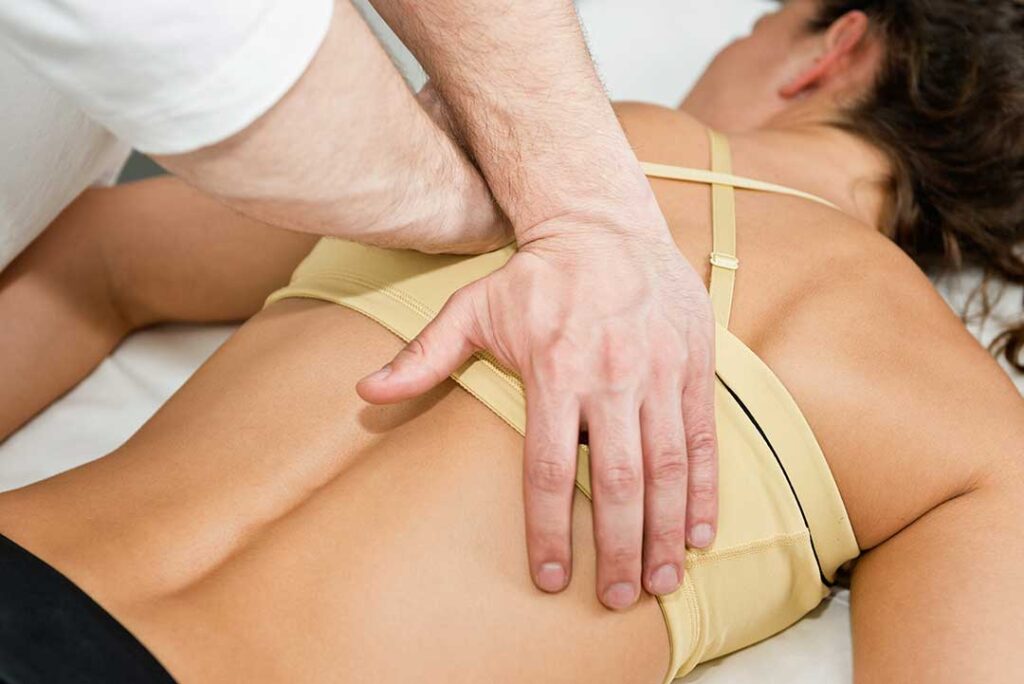
- Gentle, self-massage may support circulation around affected joints

Note that persistent, severe, or rapidly worsening symptoms should be discussed with a healthcare provider, particularly if sudden swelling, redness, or fever is noticed.
Which Lifestyle Habits Matter Most for Local Residents?
Underlying habits often influence how frequently joint issues flare up:
- Maintaining a healthy weight reduces stress on knees and hips, which is especially useful for those navigating icy or uneven surfaces in the city
- Staying hydrated helps keep joint tissues healthy, important for residents using home heating that may dry indoor air
- Smoking, which is less common now, still poses risks for inflammation and delayed healing
Neighborhood social support—such as friends or family who encourage staying active—can also make healthy changes easier to sustain.
What Myths Should Residents Ignore?
Some information circulating locally and online can be misleading. Common myths include:
- “All supplements are safe or effective for joint pain.” In reality, herbal remedies or over-the-counter products may interact with medications or have inconsistent results.
- “Only older adults get joint inflammation.” While age is a factor, younger people in active households or those with prior injuries may also be affected.
- “Resting joints completely is always safe.” Prolonged inactivity can actually contribute to stiffness and weakened muscles.
Reliable information and attention to personal symptoms help avoid these pitfalls.
When Should Inflammation Be Considered Serious?
Most mild cases respond well to home care. However, immediate attention may be needed if a joint:
- Becomes suddenly red, extremely swollen, or hot
- Is accompanied by fever or an inability to move
- Was injured with a fall or trauma, especially in icy months
In such cases, seeking medical evaluation ensures prompt and safe care.
